WEL and Honeywell: Deepening Strategic Synergy to Open a New Chapter in Intelligent and Low-Carbon Innovation
On March 31, Wison Engineering and Honeywell successfully convened an in-depth technical workshop. More than a technical exchange, this event represents a pivotal action in implementing the strategic framework and consolidating joint efforts toward intelligent and low-carbon innovation. Focusing on two strategic pillars—intelligent green hydrogen plants and low-carbon energy technologies, the two parties inaugurated a new round of in-depth cooperation discussions, aiming to deliver more competitive solutions for the global energy transition through technology innovation and engineering collaboration.
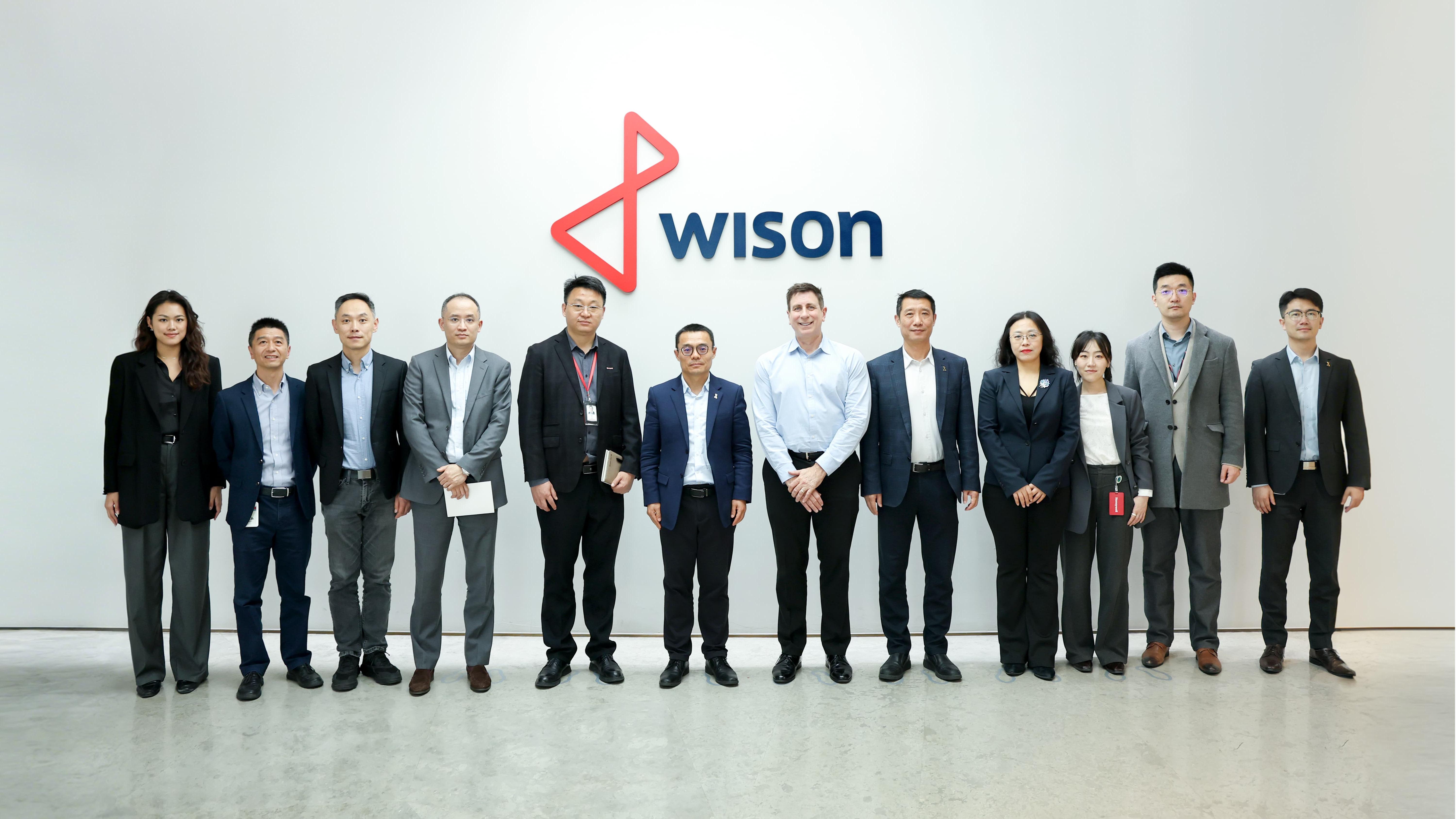
The Honeywell delegation was led by Mr. Jason Urso, Chief Technology Officer of Honeywell Industrial Automation and Process Automation Groups; Mr. Shi Wei, Chief Technology Officer of Honeywell China; Ms. Wang Qi, Director of Strategic Cooperation of Honeywell China; together with R&D leaders and technical experts from Honeywell Process Automation, Process Technologies, and Industrial Automation Groups in China, formed a cross-business core team to attend the workshop. From Wison’s side, Dr. Liu Hengwei, Chief Technology Officer of Wison Engineering; Mr. Li Yongbin, Chief Engineer and General Manager of the Technology Department; Mr. Lv Jianning, Vice President and General Manager of the Product Technology Center; as well as core members from relevant departments participated in the event.
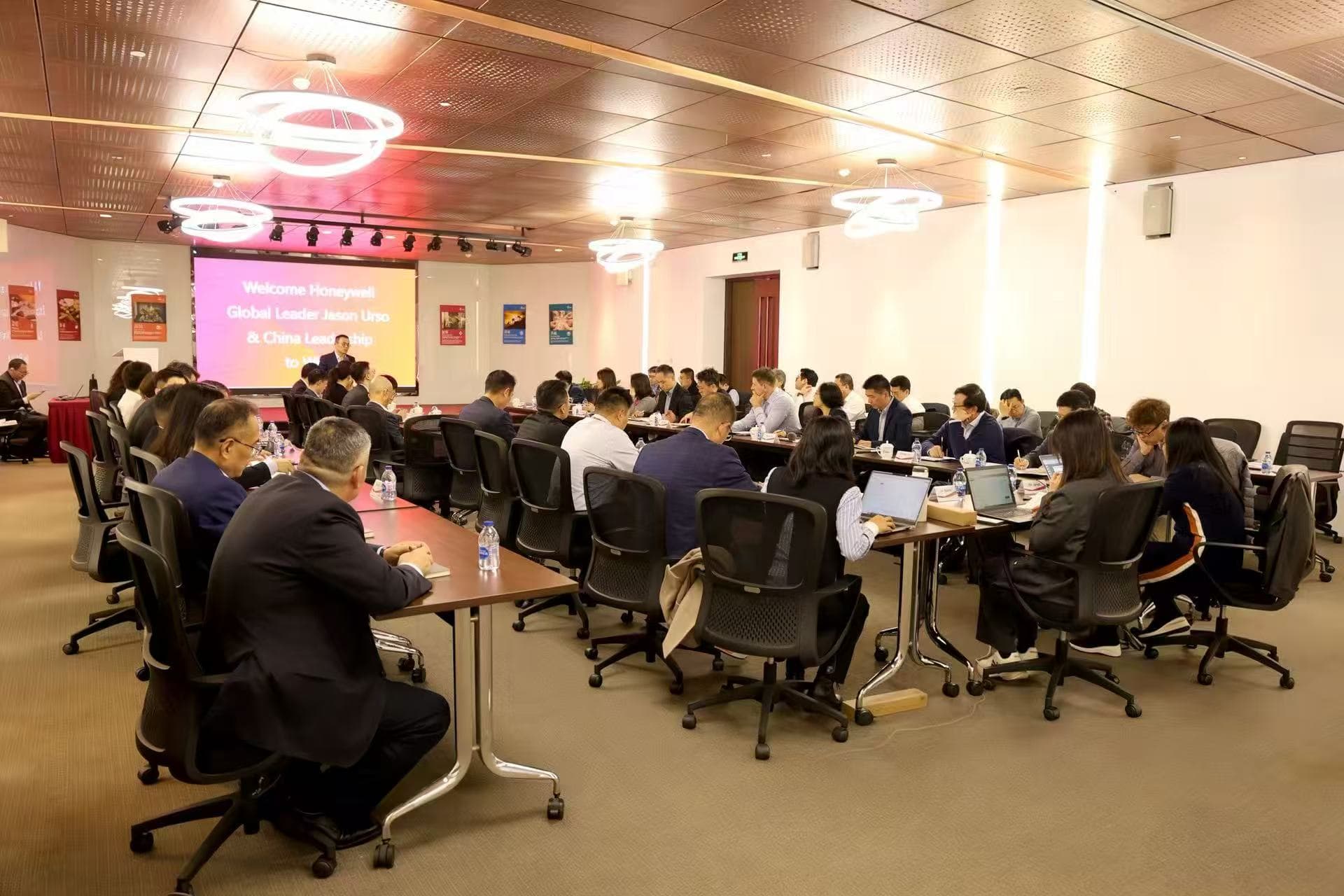
At the opening of the workshop, Dr. Liu Hengwei extended a warm welcome to the Honeywell team on behalf of Wison Engineering. He noted that Honeywell is a strategic partner for Wison Engineering on the journey toward global energy transition and sustainable development. He expressed his expectation that both parties would build upon the successful cooperation model established in the MTO (methanol-to-olefins) sector, further strengthening close collaboration in intelligent and green low-carbon technologies. He emphasized the shared commitment to exploring new ideas and opportunities in the new energy landscape, thereby opening a new chapter in their partnership.
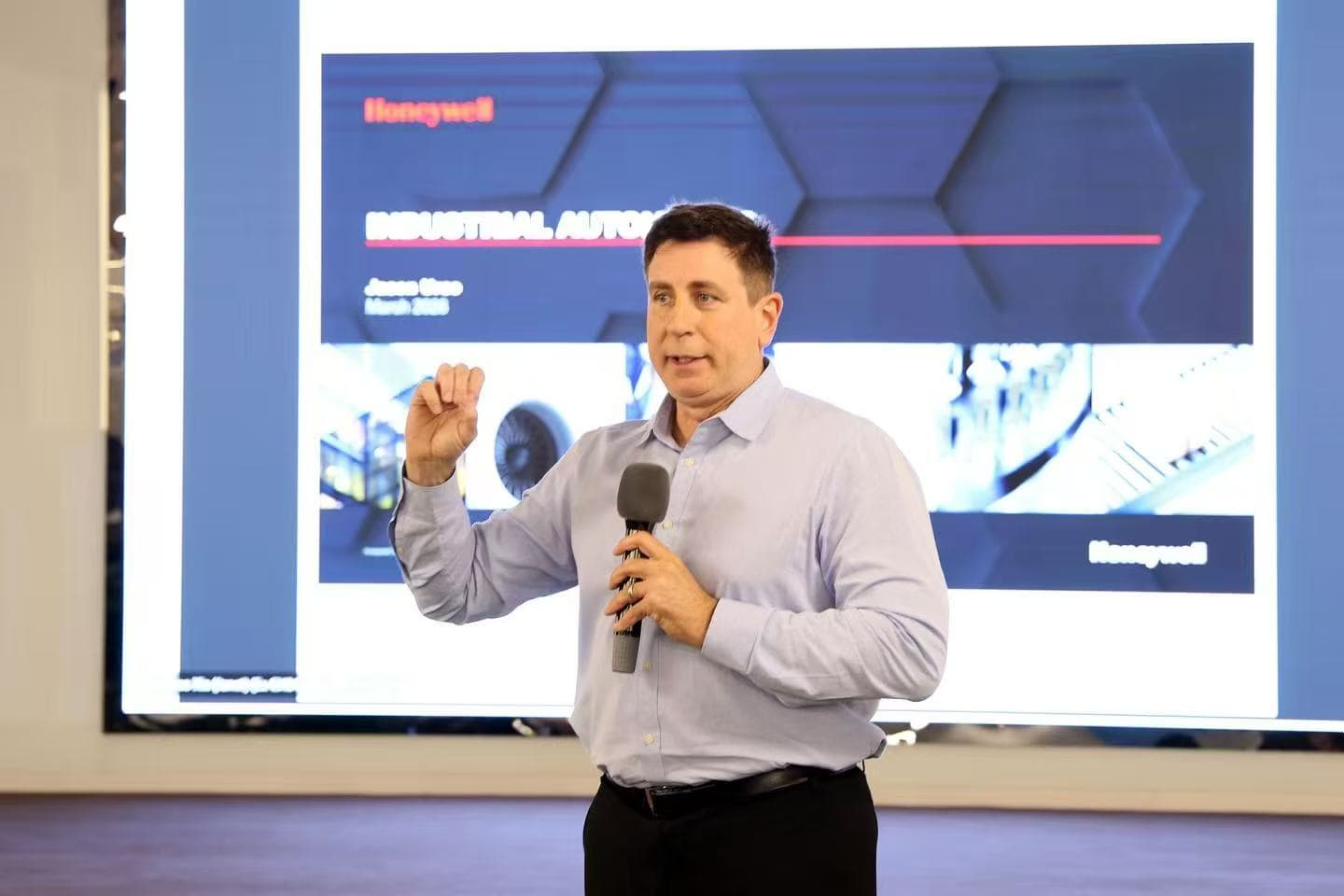
During the opening session, Mr. Jason Urso delivered a keynote presentation providing an in-depth analysis of Honeywell's latest technological advances in industrial automation and process control, and elaborated on the strategic vision of empowering new energy industry upgrades through advanced automation technologies. Subsequently, Dr. Liu Hengwei and Mr. Jason Urso, along with leadership teams from both sides, held a closed-door session where they engaged in deep deliberations on three core cooperation areas and reached consensus: first, focusing on green fuels, particularly the intelligent upgrading of green hydrogen plants; second, accelerating the engineering commercialization of Sustainable Aviation Fuel (SAF) technologies; and third, jointly exploring innovative solutions for data centers powered by green hydrogen and Battery Energy Storage Systems (BESS).
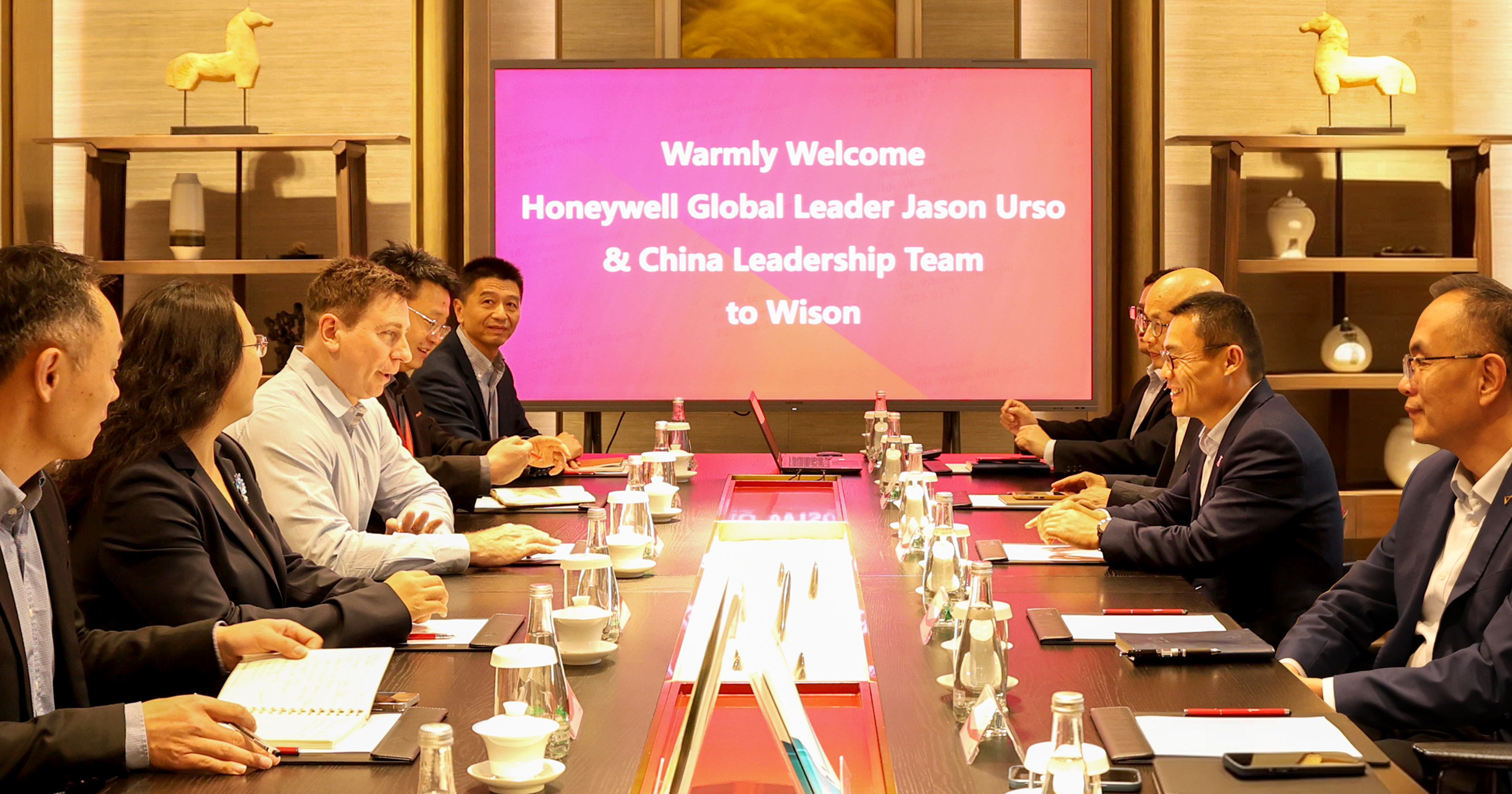
In the intelligent green hydrogen plants session, technical teams from both sides combined Honeywell's core technologies—including energy control systems, advanced process control, and digital twin—with Wison Engineering's innovative MegaFlex "Plant-as-a-Product" green hydrogen solution. They conducted in-depth discussions on deployment pathways for the intelligent, standardized, and scalable development of green hydrogen plants.
In the low-carbon energy technology session, Honeywell UOP provided detailed briefings on its latest technological developments and competitive advantages in Sustainable Aviation Fuel (SAF), Carbon Capture, Utilization and Storage (CCUS), and waste plastics recycling. Both parties also aligned their strategic thinking and action pathways regarding the progress of potential projects in Europe, Southeast Asia, Africa, and China, as well as collaboration mechanisms for emerging business opportunities.
Both sides concurred that, building upon the successful practical experience and profound mutual trust accumulated in the MTO field, they will further deepen their mutual empowerment. They will systematically assess low-carbon energy technologies and global market collaboration mechanisms from multiple dimensions, refine implementation scenarios, and define specific pathways for establishing a normalized model of collaborative innovation.


